

Moving house with plants requires more care than simply placing each pot inside a cardboard box. Leaves can tear, stems can snap, compost can spill, and heavy ceramic pots can damage weak cartons during transport. Plants can also react badly to sudden changes in temperature, light, airflow, and watering.
The safest approach is to prepare each plant several days before moving, choose a removal box that matches the size and weight of the pot, stabilise the container properly, and keep the plant away from extreme heat or cold throughout the journey. This guide explains how to pack small houseplants, tall indoor plants, succulents, delicate foliage, and heavy potted plants for both short and long-distance moves.
Quick answer: Water most plants lightly one or two days before moving, cover loose compost, cushion the pot, and keep it upright inside a strong removal box. Load plant boxes last, unload them first, and unpack them as soon as possible after arrival.
In This Guide
How to Prepare Plants Before Moving
Start preparing your plants about a week before moving day. This gives you enough time to inspect them, remove damaged growth, adjust watering, and organise the correct boxes without creating unnecessary stress at the last minute.
Inspect plants for pests and disease
Check the tops and undersides of leaves, stems, pot rims, and the surface of the compost. Look for aphids, fungus gnats, scale insects, mealybugs, or spider mites. Treat affected plants before packing them and keep them separate from the rest of your collection where possible.
Enclosing an infested plant in a warm vehicle with other plants may allow pests to spread. A quick inspection before moving also prevents you from bringing an avoidable problem into your new home.
Remove dead or damaged growth
Trim dead leaves and badly damaged stems using clean tools. Light pruning can make a plant easier to handle and reduce the chance of weak growth snapping in transit. However, avoid severe pruning unless it is necessary to make a very large plant manageable, as heavy cutting can add extra stress.
Water at the right time
Water most houseplants lightly one or two days before moving rather than immediately before packing. The compost should feel slightly moist, not saturated. Wet compost is heavier, more likely to leak, and can make ceramic pots difficult and unsafe to lift.
Succulents and cacti generally need less water, so do not water them automatically if the growing medium is already moist. The correct approach depends on the plant, the season, and the length of the journey.
Do not repot unless it is necessary
Repotting disturbs the root system, so combining it with a house move can expose the plant to two major changes at once. Unless the existing pot is cracked, unstable, or unsafe, move the plant in its current container and wait until it has settled before repotting.
Practical tip: Avoid fertilising plants immediately before or after moving. Stable light, sensible watering, and time to adjust are usually more helpful than extra feeding.
Packing Materials You Will Need
- Strong cardboard removal boxes in several sizes
- Packing paper or clean, crumpled paper
- Bubble wrap for ceramic and terracotta pots
- Plastic bags or reusable waterproof liners
- Strong packing tape
- Soft garden ties or twine
- Cardboard dividers for multiple small pots
- Marker pens and clear labels
- A trolley or lifting straps for heavy planters
Strong, double-walled boxes are particularly useful for heavier pots because they resist flexing and crushing better than thin, previously weakened cartons. Use packing materials to protect the pot and stop it moving, but avoid tightly wrapping or flattening living foliage.
Choosing the Right Removal Box
The best box is slightly wider than the pot and tall enough to protect the main foliage without forcing the leaves downwards. A box that is too large allows the pot to slide and tip, while a box that is too small can bend stems and bruise leaves.
| Plant Type | Suggested Box | Important Consideration |
|---|---|---|
| Succulents, herbs, and small pots | Small or medium box with dividers | Keep each pot separated and upright |
| Spider plants, peace lilies, and ferns | Medium removal box | Leave room for foliage and airflow |
| Monstera and medium palms | Large removal box | Support long stems with soft ties |
| Orchids and flowering plants | Tall, close-fitting box | Keep blooms and flower spikes away from the sides |
| Tall fiddle-leaf figs or rubber plants | Tall box or adapted wardrobe box | Stabilise the pot and leave the top open if required |
| Heavy ceramic planters | Double-walled box or rigid crate | Keep the total lifting weight manageable |
Do not place several heavy pots in one large box simply because they fit. The combined weight can cause the bottom to fail and may make the carton unsafe to carry. Large boxes are generally better for bulky but lightweight plants, while smaller reinforced boxes are safer for heavy containers.
Recommended Boxes for Packing Houseplants
Choose the box according to the size and weight of the plant rather than using one carton for everything. Medium boxes work well for many ordinary houseplants, while larger double-walled boxes can protect taller, comparatively lightweight plants.
-
%22%20transform%3D%22translate(.7%20.7)%20scale(1.40625)%22%20fill-opacity%3D%22.5%22%3E%3Cellipse%20fill%3D%22%23d69755%22%20rx%3D%221%22%20ry%3D%221%22%20transform%3D%22rotate(96.5%205%20129.3)%20scale(65.85285%2084.21045)%22%2F%3E%3Cellipse%20fill%3D%22%23fff%22%20rx%3D%221%22%20ry%3D%221%22%20transform%3D%22matrix(-38.99609%2045.5854%20-189.04115%20-161.7155%2052.4%20215.4)%22%2F%3E%3Cellipse%20fill%3D%22%23fff%22%20rx%3D%221%22%20ry%3D%221%22%20transform%3D%22matrix(98.80643%20-19.02712%207.37616%2038.30383%2032.6%2020.4)%22%2F%3E%3Cellipse%20fill%3D%22%23fff%22%20cx%3D%22112%22%20cy%3D%22236%22%20rx%3D%22255%22%20ry%3D%2223%22%2F%3E%3C%2Fg%3E%3C%2Fsvg%3E) Medium Moving Box£2.75 (INC VAT)
Medium Moving Box£2.75 (INC VAT)

-
%27%20fill-opacity%3D%27.5%27%3E%3Cellipse%20fill%3D%22%23c28a33%22%20fill-opacity%3D%22.5%22%20rx%3D%221%22%20ry%3D%221%22%20transform%3D%22matrix(48.28827%20105.2026%20-77.28766%2035.47524%20164.1%20192)%22%2F%3E%3Cellipse%20fill%3D%22%23eef8ff%22%20fill-opacity%3D%22.5%22%20rx%3D%221%22%20ry%3D%221%22%20transform%3D%22matrix(-2.04473%2043.89677%20-358.20536%20-16.68536%20122.6%20325.5)%22%2F%3E%3Cellipse%20fill%3D%22%23eff6ff%22%20fill-opacity%3D%22.5%22%20rx%3D%221%22%20ry%3D%221%22%20transform%3D%22matrix(-1.79619%2039.73287%20-347.073%20-15.68999%20224.1%2026.9)%22%2F%3E%3Cellipse%20fill%3D%22%23edf2fc%22%20fill-opacity%3D%22.5%22%20rx%3D%221%22%20ry%3D%221%22%20transform%3D%22matrix(21.24272%20273.37426%20-65.67904%205.10363%20.7%20188.4)%22%2F%3E%3C%2Fg%3E%3C%2Fsvg%3E) Large Moving Box£3.99 (INC VAT)
Large Moving Box£3.99 (INC VAT)

-
%27%20fill-opacity%3D%27.5%27%3E%3Cpath%20fill%3D%22%23ef9650%22%20fill-opacity%3D%22.5%22%20d%3D%22M63.3%20269.2l16.2-185%20187.7%2016.5L251%20285.6z%22%2F%3E%3Cellipse%20fill%3D%22%23f2ffff%22%20fill-opacity%3D%22.5%22%20rx%3D%221%22%20ry%3D%221%22%20transform%3D%22matrix(74.55583%20350.75762%20-65.74552%2013.97464%2024.6%20244.4)%22%2F%3E%3Cellipse%20fill%3D%22%23f0feff%22%20fill-opacity%3D%22.5%22%20rx%3D%221%22%20ry%3D%221%22%20transform%3D%22matrix(10.88007%20-65.72116%20302.08207%2050.00936%20192%2018)%22%2F%3E%3Cellipse%20fill%3D%22%23f4ffff%22%20fill-opacity%3D%22.5%22%20rx%3D%221%22%20ry%3D%221%22%20transform%3D%22matrix(-14.34572%20-67.49131%20350.75762%20-74.55583%20261.7%20359.3)%22%2F%3E%3C%2Fg%3E%3C%2Fsvg%3E) Extra Large Moving Box£4.99 (INC VAT)
Extra Large Moving Box£4.99 (INC VAT)
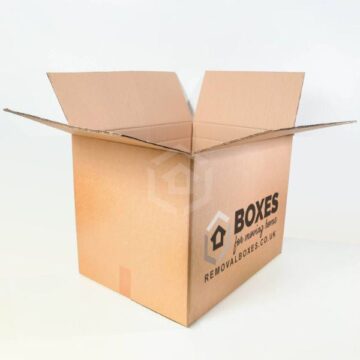
How to Pack Plants Step by Step
1. Reinforce the bottom of the box
Seal the base with strong packing tape, paying particular attention to the centre seam and edges. Add a flat cardboard insert if the pot is heavy. Place a layer of crumpled packing paper at the bottom to absorb vibration and create a level base.
2. Contain loose compost
Place the pot inside a plastic bag or reusable waterproof liner and pull the material up around the outside. Secure it loosely around the base of the plant without tightening it against the stem. You can also cover the compost surface with paper and tape the paper to the pot rather than the plant.
3. Protect the pot
Wrap ceramic or terracotta pots with bubble wrap and secure the wrapping to itself. Avoid attaching strong tape directly to a painted or glazed surface. Plastic nursery pots may only need packing paper, provided they cannot move inside the box.
4. Gather spreading foliage carefully
For plants with long stems or broad leaves, gently draw the foliage upwards and hold it with a soft plant tie. The aim is to reduce snagging, not to bind the plant tightly. Never use packing tape directly on stems or leaves.
5. Position and stabilise the plant
Lower the pot into the centre of the box while supporting it from underneath. Fill the gaps around the pot with firmly crumpled paper, cardboard dividers, or other clean cushioning material. Move the box gently to test it. The pot should remain upright without sliding from side to side.
6. Provide ventilation where appropriate
For a longer journey, make several small ventilation holes in the upper sides of the carton. Do not create large openings that weaken the box. A tall plant may travel more safely with the top flaps folded loosely around the stem instead of being forced into a completely closed carton.
7. Label the box clearly
Mark the carton with LIVE PLANT, FRAGILE, and THIS SIDE UP on more than one side. Add the destination room and, where useful, a note such as DO NOT STACK or KEEP AWAY FROM COLD.
Expert packing tip: Do not lift a heavy ceramic planter by its rim. Support the base with both hands or use a trolley, as the rim can crack under the combined weight of the plant and moist compost.
Packing Different Types of Plants
Succulents and Cacti
Keep these plants relatively dry and separate individual pots with cardboard dividers. Use folded cardboard or several layers of paper when handling spines. Avoid wrapping the plant itself in plastic because trapped moisture and poor airflow can cause damage.
Orchids
Support flower spikes with their existing stakes and clips. Choose a box tall enough to prevent blooms from touching the lid or sides. Orchids can be sensitive to cold, so keep them in the passenger compartment during a winter move where possible.
Ferns and Peace Lilies
Gather foliage loosely and minimise the time these plants spend in a hot or dry vehicle. Their compost should be slightly moist but not saturated. Some temporary drooping after the move may simply be a stress response.
Monstera and Climbers
Secure vines and long stems to their support pole with soft ties before lifting. Protect aerial roots without removing them. Broad leaves are easily creased, so keep them away from furniture and neighbouring cartons.
Trailing Plants
Coil long trails loosely on top of soft packing paper inside the box. Do not leave stems hanging outside where they can be trapped by a door or caught on another item. Place paper between layers of foliage where needed.
Delicate Flowering Plants
Use a close-fitting box that protects the container without pressing on blooms. Add support around the pot rather than around the flowers. Carry especially delicate plants personally when practical.
How to Move Large and Heavy Plants
Large palms, rubber plants, fiddle-leaf figs, and indoor trees may be too tall or heavy for ordinary packing methods. Measure doorways, staircases, lifts, and vehicle clearance before moving day. Remove a decorative outer planter where possible and transport the plant in its lighter nursery pot.
Never lift a heavy ceramic container by its rim. Support the base, use two people, and consider a trolley or lifting straps. If the pot and plant create an unsafe load, professional help may be preferable to risking injury or damaging the plant.
For very tall plants, cushion the pot inside a reinforced box while leaving the foliage exposed. Wrap the sides loosely with breathable horticultural fleece or a clean sheet to prevent leaves catching during loading. Do not place heavy belongings against the trunk, stems, or foliage.
Transporting Plants Safely
When possible, transport valuable or delicate houseplants in your own vehicle. This gives you better control over handling, ventilation, and temperature. Position boxes on a flat surface and use surrounding items or restraints to prevent them tipping, without placing weight on top.
If plants must travel in a removal van, load them last and unload them first. Keep them away from unsecured furniture, metal tools, and boxes that could fall. Do not leave plants inside a parked vehicle longer than necessary, particularly in direct sunlight or freezing weather.
Summer moves
Pack plants as late as possible and keep them out of direct sunlight. A closed vehicle can become much hotter than the outdoor air, so do not rely on a slightly open window as the only protection. Avoid placing damp foliage in strong sunlight immediately after unpacking, as sudden exposure may cause scorching.
Winter moves
Wrap the pot and box to reduce exposure to cold air, then move the plant directly between the house and vehicle. Keep tropical plants away from unheated storage areas, icy loading surfaces, and draughts. Do not water heavily immediately before a freezing journey.
Important: Never leave plants inside a parked car or removal van for longer than necessary. Temperatures inside a closed vehicle can change quickly even when outdoor conditions appear mild.
Long-distance and overnight moves
For a multi-day move, plan when and where the plants will be brought indoors. Open boxes in a suitable room overnight and check the compost before watering. Avoid repeatedly moving plants between very warm and very cold environments.
If your move crosses a national border or involves Northern Ireland, the Channel Islands, the Isle of Man, or another country, check current plant-health rules before travelling. Requirements may depend on the plant species, the presence of soil, the destination, and whether the movement is personal or commercial.
Unpacking and Helping Plants Recover
Unpack plants soon after arrival and inspect the pots, stems, leaves, and compost. Place each plant in a position with light conditions similar to its previous location. Do not move a shade-grown plant directly into strong sunlight simply because the new room has a brighter window.
Check soil moisture with your finger rather than watering every plant automatically. Some plants may already be moist, while others may need a small drink after a long journey. Give plants time to adjust before feeding, repotting, or making major changes.
Signs of temporary moving stress
- Drooping leaves
- A small amount of leaf drop
- Minor yellowing
- Dry or brown leaf edges
- Slower growth for a short period
These symptoms may improve once the plant settles into stable conditions. Remove badly broken material with clean tools, but avoid reacting to every symptom with extra water. Persistent wilting, soft stems, an unpleasant smell from the compost, or rapidly increasing discolouration may indicate a more serious root, watering, or temperature problem.
Common Plant-Packing Mistakes to Avoid
- Watering immediately before packing: This creates unnecessary weight and increases the chance of leaks.
- Using an oversized box without filling the gaps: The pot can slide, tip, and damage the stems.
- Sealing damp plants tightly in plastic: Trapped moisture and poor airflow can cause damage.
- Taping leaves or stems: Adhesive can tear the plant when removed.
- Stacking boxes on top of plants: Even a strong carton may collapse onto delicate foliage.
- Leaving plants in a vehicle: Heat and cold can build quickly inside a parked van or car.
- Repotting on moving day: Root disturbance adds avoidable stress.
- Combining several heavy pots: The box may become unsafe to lift or fail underneath.
Moving-Day Plant Checklist
- Plants inspected for pests and damaged growth
- Compost moist but not saturated
- Loose soil covered or contained
- Breakable pots wrapped and cushioned
- Box base reinforced with packing tape
- Pot secured so it cannot slide or tip
- Delicate stems supported with soft ties
- Ventilation provided for longer journeys
- Boxes labelled “Live Plant”, “Fragile”, and “This Side Up”
- Plants loaded last and scheduled to be unloaded first
- A suitable position prepared at the new property
Frequently Asked Questions
Can plants survive inside moving boxes?
Most healthy houseplants can tolerate several hours inside a suitable box, provided they are protected from extreme temperatures and unpacked promptly. The longer the journey, the more important airflow, temperature control, and overnight access become.
Should I water plants before moving?
Water most plants lightly one or two days beforehand if they need it. Avoid packing plants with saturated compost. Always consider the individual plant, season, and existing moisture level rather than following one watering rule for every species.
Can removal companies transport houseplants?
Policies differ between removal companies. Some may carry plants on local moves but exclude them from insurance or long-distance services. Ask the company in advance and transport valuable or sensitive plants personally where possible.
How do I stop soil spilling from plant pots?
Cover the compost with packing paper or place the pot inside a waterproof bag, securing the material around the container without tightening it against the stem. Keep the plant upright and stabilise the pot inside its box.
Should I move a plant in its ceramic pot?
You can, but a ceramic pot adds weight and may crack. Where practical, remove the nursery pot from the decorative container and pack the two items separately. Wrap the empty ceramic pot as a fragile household item.
How long should I wait before repotting after moving?
Wait until the plant has adjusted and resumed stable growth unless the existing pot is broken or unsafe. For many houseplants, allowing at least a couple of weeks before repotting helps avoid adding unnecessary root stress.
Are there rules about moving plants to another region or country?
Plant-health requirements can depend on the plant, destination, soil, and reason for transport. Check the latest official guidance before moving plants across national borders or to areas with separate plant-health controls.
Prepare Your Plants for a Safer Move
Use strong removal boxes, protective packing paper, and suitable cushioning to keep pots stable and reduce the risk of damage during transport.