
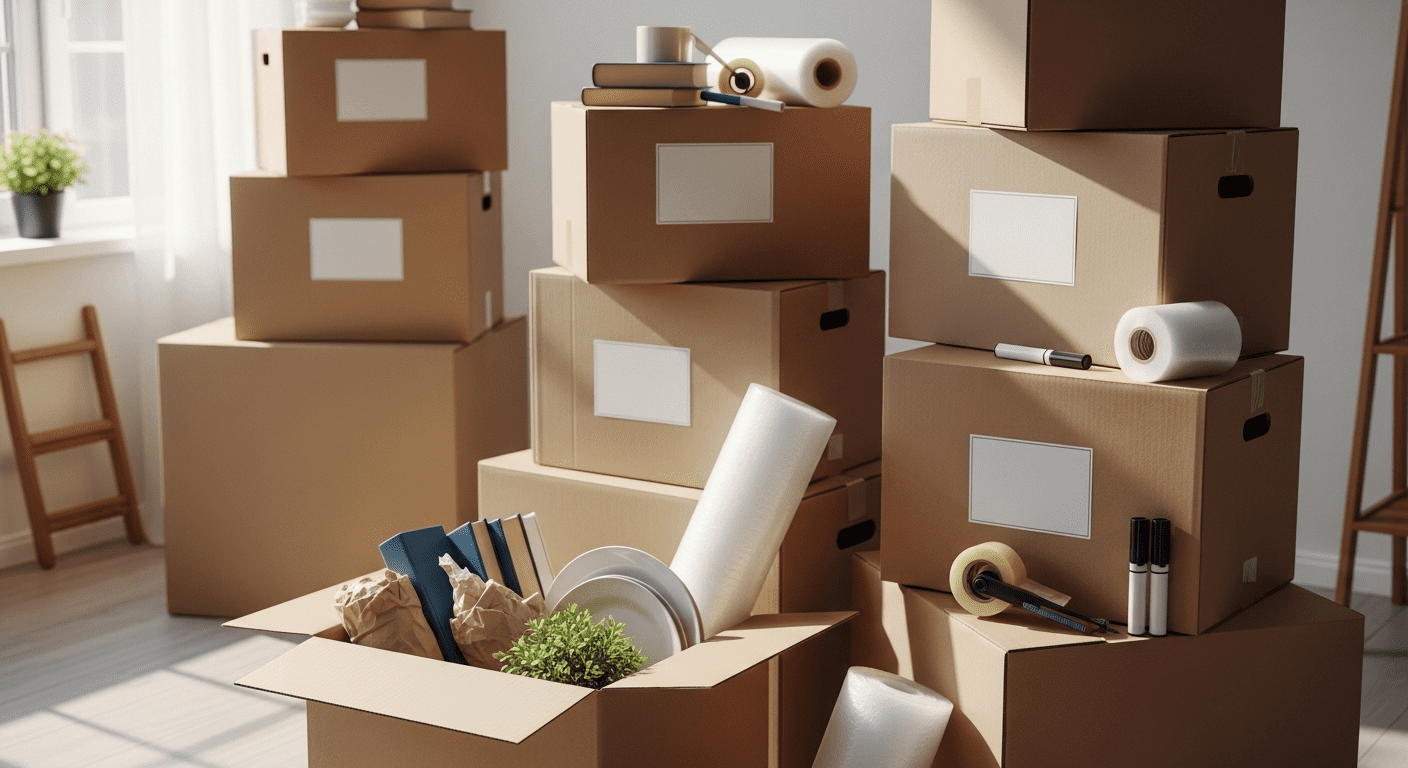
Moving to a new home is exciting, but packing can quickly become overwhelming without the right supplies. Whether you are relocating across town or moving long-distance, choosing the right moving boxes can make your move safer, faster, and more organized. From sturdy cardboard boxes for moving to specialty packing supplies like bubble wrap, every detail matters when protecting your belongings.
In this guide, we will cover the best types of boxes for moving house, how to choose the right sizes, expert packing tips, and why investing in quality moving house boxes can save time and money during your relocation.
Professional moving experts recommend using strong, purpose-built moving boxes rather than old grocery or supermarket boxes because they offer greater durability and protection during transport.
Why Choosing the Right Moving Boxes Matters
Many people underestimate the importance of selecting quality boxes for moving. Weak or incorrectly sized boxes can break, collapse, or damage fragile items during transit. Using the proper move box sizes also makes lifting and stacking easier on moving day.
According to moving industry guides, small boxes are best for heavy items like books, medium boxes work for kitchen supplies and decorations, while large boxes should only hold lightweight items such as bedding or pillows.
Good-quality removal boxes also help you:
- Protect fragile belongings
- Stay organized during unpacking.
- Reduce the risk of injuries.
- Save time on moving day.
- Maximize truck space efficiently.
Different Types of Moving Boxes
Not all moving boxes are the same. Different rooms and household items require different box types for maximum safety and convenience.
1. Small Moving Boxes
Small cardboard boxes for moving are ideal for heavier items because they prevent overpacking. These are perfect for:
- Books
- Tools
- Canned food
- Kitchenware
- Small electronics
Experts recommend using more small boxes instead of overloading large ones with heavy items. (Moving.com)
2. Medium Boxes for Moving House
Medium-sized moving house boxes are the most versatile option. They work well for:
- Toys
- Clothes
- Pantry items
- Office supplies
- Decorative items
These boxes are easier to carry while still providing enough storage for everyday household items.
3. Large Boxes for Moving
Large boxes for moving house are designed for lightweight but bulky items, including:
- Blankets
- Pillows
- Bedding
- Towels
- Winter jackets
Packing heavy items in large boxes can make lifting dangerous and may damage the box itself.
4. Specialty Removal Boxes
Specialty removal boxes are designed for fragile or awkward items. Popular options include:
- Wardrobe boxes for hanging clothes
- Dish pack boxes for glassware
- TV and mirror boxes
- File storage boxes
- Picture and artwork boxes
Professional movers often recommend wardrobe boxes because they keep clothes wrinkle-free and save unpacking time.
Cardboard Boxes for Moving vs Plastic Containers
One of the most common questions people ask is whether to use traditional cardboard boxes for moving or reusable plastic bins.
Cardboard Moving Boxes
Benefits include:
- Affordable
- Widely available
- Easy to label
- Recyclable
- Available in many sizes
Most professional movers still prefer sturdy corrugated cardboard moving boxes because they stack efficiently and absorb shock during transportation.
Plastic Moving Containers
Plastic bins work well for:
- Long-term storage
- Rainy weather moves
- Valuable electronics
- Moisture-sensitive items
However, they are usually more expensive than standard moving boxes.
How Many Boxes for Moving House Do You Need?
The number of moving house boxes you need depends on the size of your home and how much you own. Many moving experts suggest using online moving box calculators to estimate the correct quantity before packing begins.
A general estimate includes:
| Studio Apartment | 10–20 boxes |
| 1 Bedroom Home | 20–40 boxes |
| 2 Bedroom Home | 40–60 boxes |
| 3 Bedroom Home | 60–100 boxes |
Decluttering before packing can significantly reduce the number of boxes you need for moving.
Best Packing Supplies to Use With Moving Boxes
Even the strongest moving box will not fully protect your belongings without proper packing materials.
Bubble Wrap
Bubble wrap is essential for protecting fragile items such as:
- Glassware
- Plates
- Electronics
- Picture frames
- Decorative items
Wrap delicate items individually before placing them inside the box.
Packing Paper
Packing paper prevents scratches and fills empty gaps inside removal boxes to stop items from shifting during transport.
Heavy-Duty Packing Tape
Cheap tape can easily split open during a move. Invest in strong packing tape designed specifically for moving boxes.
Labels and Markers
Clearly labeling every moving house box helps movers place items in the correct room and makes unpacking easier.
Smart Packing Tips for a Stress-Free Move
Packing efficiently can save hours during moving day. Here are expert-approved tips for using boxes for moving house correctly:
Pack Heavy Items in Small Boxes
Books, tools, and kitchenware should always go in small cardboard boxes for moving to avoid injuries.
Label Every Move Box Clearly
Include:
- Room name
- Fragile labels
- Priority items
- Box number
This makes unpacking far easier.
Use Bubble Wrap Generously
Fragile items should never touch each other directly inside the box. Use enough bubble wrap or packing paper to create cushioning.
Avoid Overfilling Boxes
Overpacked moving boxes are more likely to break during lifting or transport.
Keep Essentials Separate
Prepare one essential move box containing:
- Chargers
- Medicines
- Toiletries
- Important documents
- Snacks
- Basic kitchen supplies
Experts often call this the “first-night box” because it helps reduce stress after moving into a new home.
Final Thoughts
Choosing the right moving boxes is one of the most important parts of a successful relocation. High-quality boxes for moving, durable cardboard boxes for moving, and protective supplies like bubble wrap can help prevent damage, save time, and reduce stress during the moving process.
Whether you are packing a small apartment or a large family home, investing in the right moving house boxes and organizing your packing strategy early will make your move smoother and more efficient.
Before your next move, create a checklist, gather strong removal boxes, and start packing room by room. A little preparation goes a long way toward making moving day easier and less stressful.
Professional moving experts consistently recommend using purpose-built moving boxes, proper labeling systems, and high-quality packing materials for safer, more organized relocations.